
Influencer marketing is reshaping how aesthetics clinics connect with new patients. By partnering with influencers, especially local micro and nano creators, clinics can showcase treatment results, build trust, and drive bookings without massive budgets. These collaborations let potential patients see real treatment journeys through relatable, visual content on platforms like Instagram and TikTok.
Key takeaways:
- Micro-influencers (10K–100K followers) are ideal for niche engagement and local campaigns, with manageable costs ($200–$1,000 per post or free treatments).
- Nano-influencers (<10K followers) excel at hyper-local targeting with high engagement rates, often for free treatments or $50–$200.
- Sponsored treatments and before-and-after posts are highly effective, but compliance with FTC guidelines and ethical standards is critical.
- Tools like Prospyr help clinics track leads, bookings, and revenue from influencer campaigns for measurable results.
How to Select the Right Influencer
Choosing the right influencer isn’t just about their follower count - it’s about finding someone whose audience, values, and content align with your brand. For instance, a dermatologist with 15,000 highly engaged followers who regularly posts about skincare treatments can generate more qualified leads than a lifestyle influencer with 500,000 followers who rarely talks about aesthetics.
Start by identifying your ideal patient profile. Think about their age, gender, location, income level, and specific concerns like anti-aging, acne scars, or body contouring. Then, look for influencers whose audience matches this profile. Use tools like Instagram’s search function, TikTok’s Discover tab, or hashtags such as #medspajourney, #skincareroutine, or location-specific tags like #Chicagomedspa to find creators already discussing treatments similar to what you offer.
Genuine interest beats flashy content. Seek influencers who are naturally enthusiastic about aesthetics and wellness, rather than those who promote anything for a paycheck. Review their past posts to see if they’ve authentically discussed skincare, treatments, or self-care. Check their captions and comments to gauge audience reactions. High engagement rates - measured by likes, shares, and meaningful comments relative to their follower count - indicate a loyal and trusting community.
Be on the lookout for red flags like fake followers or bots. For example, if an influencer has 50,000 followers but averages only 20 likes per post, something’s not adding up. Tools like HypeAuditor or CreatorIQ can help analyze follower authenticity and audience demographics, but sometimes a manual review of their recent posts is enough to spot inconsistencies. Pay close attention to the quality of comments - generic responses like "Nice!" or random emojis suggest weak engagement.
When it comes to budget, stay practical. Request media kits from potential influencers to understand their rates, or propose value exchanges like complimentary treatments in return for content. Many micro and nano influencers are open to creative partnerships, such as trading a series of treatments for multiple social media posts, instead of a one-time cash payment.
Finally, think about how different types of influencers - macro, micro, and nano - can fit your campaign goals.
Macro, Micro, and Nano Influencers
The influencer world can be divided into three main categories, each tailored to different campaign needs and budgets:
Macro influencers: These are the big players, with follower counts ranging from 100,000 to over a million. They include celebrities, well-known dermatologists, or established beauty personalities. Macro influencers are great for broad reach and high visibility, making them ideal for launching new treatments or building brand awareness on a large scale. However, they come with a hefty price tag - anywhere from $1,000 to $10,000 (or more) per post - and tend to have lower engagement rates, typically around 1% to 3%.
Micro influencers: With 10,000 to 100,000 followers, micro influencers are often the sweet spot for aesthetics clinics. They’re trusted voices in niche communities like skincare enthusiasts, medspa fans, or wellness advocates. Their engagement rates, usually between 3% and 6%, reflect deeper connections with their audience. For example, partnering with a micro influencer in Austin to document her treatment journey can generate more qualified leads than a national macro campaign because the content feels personal and relatable. Costs are more manageable too, ranging from $200 to $1,000 per post or even free treatments with commission-based incentives.
Nano influencers: These creators have fewer than 10,000 followers but often boast the highest engagement rates - 5% to 10% or more. They’re perfect for hyper-local campaigns targeting specific neighborhoods or ZIP codes. Nano influencers are also the most budget-friendly, often accepting free treatments or modest fees between $50 and $200. While their smaller audience size means you’ll need to work with several to achieve scale, their authenticity and community trust can lead to higher conversion rates.
| Influencer Type | Follower Range | Typical Engagement | Best Use Case | Typical Cost |
|---|---|---|---|---|
| Macro | 100K–1M+ | 1–3% | Broad reach, brand awareness, major launches | $1,000–$10,000+ per post |
| Micro | 10K–100K | 3–6% | Targeted campaigns, qualified leads, niche engagement | $200–$1,000 per post or free treatments |
| Nano | Under 10K | 5–10%+ | Hyper-local campaigns, cost-effective content | $50–$200 or free services |
To balance reach and engagement, allocate your budget wisely. For example, a $5,000 quarterly budget could be split into three to four micro campaigns, five to six nano partnerships, and one macro collaboration for a major launch. This mix ensures your campaign delivers both broad visibility and local impact.
Beyond follower count, the influencer’s professional background also shapes how they connect with your audience.
Clinician and Lifestyle Influencers
The type of influencer you choose plays a big role in how your clinic is perceived. Clinician influencers - such as dermatologists, plastic surgeons, aesthetic nurses, or certified wellness coaches - bring authority and credibility. When promoting medical-grade treatments or minimally invasive procedures, their expertise reassures potential patients about safety and results. For clinics aiming to position themselves as premium providers, clinician influencers are invaluable.
Clinician influencers excel at creating educational content, like treatment explainers, side-by-side comparisons, or myth-busting posts. This type of content not only builds trust but also sets realistic expectations, positioning your clinic as an expert resource.
On the other hand, lifestyle influencers - beauty bloggers, wellness enthusiasts, or everyday users - excel at creating emotional connections. They make treatments feel relatable by showcasing real-life results and integrating them into broader wellness or beauty routines. For example, a beauty blogger documenting her "skin transformation" through a series of facials or peels makes the process feel accessible and aspirational. Her followers see someone like themselves achieving visible results, which can often be more persuasive than clinical explanations.
Lifestyle influencers shine in creating visually engaging content, especially for platforms like Instagram and TikTok where aesthetics and personal transformation drive engagement. They’re particularly effective for before-and-after stories or "treatment journey" series that follow the entire process from consultation to recovery and final results.
The best strategy often combines both types of influencers. Clinician influencers build trust and educate potential patients, while lifestyle influencers demonstrate how treatments fit into everyday life. For example, pairing a dermatologist’s explanation of a procedure with a lifestyle influencer’s personal transformation story can create a powerful mix of credibility and relatability.
To find clinician influencers, search hashtags like #dermatologist, #plasticsurgeon, #aestheticnurse, or #medspa on Instagram and TikTok. For lifestyle influencers, try niche hashtags like #skincareroutine, #medspajourney, or location-based tags. Evaluate their content for consistency, professionalism, and alignment with your clinic’s values - whether that’s inclusivity, ethics, or something else.
Before committing to a full campaign, invite potential influencers for a complimentary consultation or clinic tour. This allows you to gauge their genuine interest, observe their content style in person, and ensure their personality aligns with your brand. Plus, experiencing your clinic firsthand often leads to more authentic content later.
Building Campaigns That Deliver Measurable Results
Once you've chosen the right influencer, the next step is crafting campaigns that are designed to drive real results. This means using proven formats, setting clear objectives, and closely monitoring key metrics. Many top aesthetics clinics follow this approach to turn influencer collaborations into dependable channels for acquiring new patients.
Sponsored Treatments and Before-and-After Content
Sponsored treatments provide a unique form of social proof by showcasing actual patient transformations. In this setup, you offer the influencer a complimentary or discounted procedure in exchange for content that highlights their experience and results. This approach lets potential patients see someone they trust go through the treatment, which can help ease concerns or hesitations.
Visual content is especially powerful in the aesthetics industry since the results are inherently visual. Before-and-after posts, for example, can instantly demonstrate the value of a treatment in ways that words alone cannot. Think of a "swipe to reveal" transformation or side-by-side images - these formats quickly communicate the potential impact of a procedure.
Here’s how to structure a sponsored treatment campaign effectively:
- Create an appealing offer: Choose treatments that are visually striking, like lip fillers, Botox, or laser facials. Decide on the compensation - whether it's a free procedure, a discount, or a mix of treatment and a fee. You could also include an exclusive discount for the influencer’s followers, such as 10%–20% off with a promo code.
- Engage before the treatment: Have the influencer share why they chose your clinic or discuss the issue they’re addressing. This builds excitement and invites questions from their audience.
- Document the treatment day: Capture key moments while staying within compliance rules. This might include snippets of the consultation, parts of the procedure, and the influencer’s reactions. Short-form videos, like Instagram Reels or TikTok clips, tend to perform better than static posts.
- Follow up after the treatment: Schedule posts at strategic times - right after the procedure, one to two weeks later, and then when results are fully visible. Include clear calls to action, like booking a consultation, and use trackable links to measure conversions.
When creating before-and-after content, stick to strict ethical and visual standards. Always get written consent from patients for photos or videos, and never alter images to misrepresent results. Use consistent lighting, angles, and timeframes to maintain authenticity. Be transparent in captions by specifying the treatment performed, the approximate timeline (e.g., "12 weeks after three sessions"), and adding a disclaimer that results may vary.
All sponsored content must comply with U.S. Federal Trade Commission guidelines. Include clear disclosures like "#ad" or "sponsored", and ensure influencers don't make unrealistic promises or imply guaranteed results.
High-quality visuals and clear messaging are critical. Provide influencers with creative guidelines for filming, tips on capturing the best angles, and medically accurate claims. Having a clinician review captions before posting can help ensure compliance and professionalism.
Treatment Journey Series and Giveaways
While single sponsored posts can spark interest, a multi-part treatment journey series offers a deeper connection by showing the entire process in detail. These series walk followers through each stage of the treatment, from the consultation to the final results, offering an honest and comprehensive look at what to expect.
A typical treatment journey might include:
- Episode one: Introducing the concern and explaining why the influencer chose your clinic.
- Episode two: Covering the consultation and treatment plan, with insights from a clinician about the procedure’s benefits and potential risks.
- Episode three: Highlighting the treatment day, focusing on comfort and safety measures.
- Episode four: Documenting the recovery process, with updates that reflect realistic healing timelines.
- Episode five: Revealing the final results and discussing how the treatment affected the influencer’s confidence or lifestyle.
These series resonate because they’re authentic and unscripted, showing real moments like initial nerves or mild swelling. When followers see the influencer face similar concerns, it builds trust and relatability.
Interactive elements can further boost engagement. Use Instagram Story polls, Q&A boxes, or live sessions where the influencer or a clinician answers questions in real time. These features turn passive viewers into active participants and provide an opportunity to address common concerns or aftercare tips.
Giveaways and contests are another effective way to amplify influencer campaigns. Offering prizes tied to popular, entry-level services - like a free skin analysis or a discount on a facial - often performs better than promoting more complex procedures. Keep the rules simple, like asking participants to follow the clinic and influencer, like the post, and tag friends. This approach can grow your follower base, expand your reach, and increase engagement.
For better results, consider pairing a grand prize (like a free treatment) with smaller prizes, such as product bundles or consultation credits. This encourages more people to participate and increases the chances that even non-winners will book a consultation. Use unique landing pages, promo codes, or booking links to track conversions accurately.
Adding a time limit to offers creates urgency. For example, a discount valid for 7–14 days or a limited number of appointments tied to the giveaway can encourage quick action. Always ensure your giveaway complies with platform rules and local regulations.
Tracking KPIs and Analytics
Once your campaign is live, measuring its performance is essential. Focus on key performance indicators (KPIs) for awareness, engagement, traffic, and revenue. Use tools like unique promo codes and UTM parameters to track results.
- Awareness metrics: Track impressions (total views), reach (unique viewers), and follower growth to see if the content is increasing your clinic’s visibility.
- Engagement metrics: Monitor likes, comments, saves, shares, and video completion rates. High engagement often indicates that followers found the content valuable.
- Traffic and interest metrics: Measure actions like link clicks, visits to campaign-specific landing pages, and inquiries mentioning the influencer. These show how well the campaign is turning interest into consideration.
- Revenue and ROI metrics: Link campaigns directly to revenue by tracking bookings and completed treatments through influencer-specific promo codes or UTM links. For example, if a $2,000 campaign brings in 10 new patients who each spend $800, that’s a 4:1 ROI. Don’t forget to factor in the lifetime value of patients who may return for additional treatments or memberships.
To streamline tracking, standardize processes before launching. Assign clear campaign names and IDs, set up UTM-tagged links and promo codes, and configure matching tags in your CRM system. Platforms like Prospyr can simplify this by centralizing lead capture, appointment scheduling, and conversion tracking in real time.
Maintaining Trust and Compliance in Influencer Content
When it comes to influencer campaigns, it's not just about eye-catching visuals and compelling stories. Trust and compliance are equally important, especially in the aesthetics industry, where treatments often involve medical procedures. Clear guidelines and proper disclosures are essential to protect your practice, your influencer partners, and the trust of your audience.
Clear Disclosures and Educational Content
In the U.S., the Federal Trade Commission (FTC) mandates "clear and conspicuous" disclosures when influencers have a material connection to your clinic. This could mean payment, free treatments, discounts, or affiliate commissions. These disclosures need to be upfront and easy to understand - think terms like "Ad", "Sponsored", or "Paid partnership with [Clinic Name]" placed prominently at the beginning of captions or spoken at the start of videos. Avoid burying them in hashtags or lengthy captions. Platforms like Instagram, TikTok, and YouTube also offer built-in paid partnership labels, which should always be enabled.
Encourage influencers to integrate transparency into their content naturally. For example, an influencer might say, "I partnered with [Clinic] to try this treatment", or "This appointment was sponsored, but my opinions are my own". Share a list of approved disclosure phrases that align with your clinic's tone and let influencers choose the phrasing that feels most authentic to them. For videos, ensure disclosures are both verbal at the beginning and written in captions to cover all viewing scenarios.
Educational content also plays a key role in building credibility. Content that informs rather than just promotes positions your clinic as a trusted authority and helps potential patients make well-informed decisions. Encourage influencers to explain treatments in detail, not just showcase the results. This could include short explainer videos where a clinician breaks down what a treatment does, who it’s suitable for, and what recovery involves. Pair this with influencer-led Q&A sessions or "Treatment 101" Reels that cover preparation, aftercare, and realistic timelines for results.
Another effective approach is myth-busting content. For example, an influencer could tackle misconceptions like "Botox will freeze your whole face" by explaining how proper dosing works, ideally with input from your clinic's injector. To ensure accuracy, have clinicians review all medical claims and approve key talking points before anything goes live. When possible, involve clinicians on camera to explain risks and benefits.
Setting expectations upfront with influencers is crucial. A quick onboarding session can clarify your clinic's core values - such as safety, education, and realistic results - and explain why disclosures and guidelines matter. This initial effort can prevent compliance issues and help influencers align with your brand's voice and policies.
Once disclosures and educational content are in place, maintaining consistent visuals and messaging across influencer posts further solidifies trust.
Before-and-After Guidelines and Brand Consistency
Before-and-after photos are a cornerstone of aesthetics marketing. They visually highlight real transformations, but strict rules must guide their use to comply with medical advertising standards and platform policies.
To ensure compliance, create a checklist for before-and-after content:
- Obtain valid, HIPAA-compliant consent for all patient imagery.
- Use consistent angles, lighting, and facial expressions, with the same camera settings and positioning.
- Avoid filters, face-altering effects, or heavy photo edits - only minimal exposure adjustments are acceptable.
- Include disclaimers like "Individual results may vary" and time stamps such as "12 weeks after a series of 3 microneedling treatments."
Provide influencers with pre-approved imagery and captions for results posts, and require clinic review of any self-shot content before it goes live.
Consistency in branding is equally important. Develop a toolkit that includes visual guidelines (logo usage, colors, fonts, treatment room aesthetics), key brand messages (such as safety, natural results, and inclusivity), and examples of what to do and what to avoid. Set clear boundaries - for instance, no exaggerated claims, fear-based language, or medical advice from non-clinicians - while allowing influencers to bring their own personality into the content.
Instead of providing full scripts, collaborate with influencers to outline key points and structure their posts. This approach keeps the content aligned with your brand while preserving the influencer’s authentic voice. A light pre-approval process for initial posts can help fine-tune tone and visuals.
Simplify the approval process with standardized templates, including a content brief, disclosure guidelines, and a results-photo usage policy. Each influencer should review and sign these documents. Establish a two-step review system: a marketing lead can check for brand alignment, followed by a clinician ensuring medical accuracy. Digital tools can centralize this process. For example, Prospyr allows U.S. clinics to securely store HIPAA-compliant consents, manage approved content, and track campaign performance.
Regular monitoring is also essential. Schedule weekly reviews to check influencer posts and audience comments, addressing any issues like missing disclosures or followers asking for medical advice. Use dashboards or social listening tools to track engagement metrics, mentions, and audience sentiment. These steps not only protect your brand but also strengthen your influencer strategy, ensuring campaigns are both compliant and effective.
sbb-itb-02f5876
Connecting Influencer Campaigns with Overall Marketing
After running campaigns that deliver measurable results, it’s important to align influencer efforts with your broader marketing strategy. By integrating influencer content across all your channels, you can maximize its reach and translate online engagement into real-world outcomes, like booked appointments and in-clinic visits.
Amplifying Influencer Content with Paid Ads
When an influencer's post begins to gain traction, you can take it to the next level with paid ads. Focus on the organic posts that perform best - those with high saves, shares, or completion rates - and repurpose them as ads to reach audiences beyond the influencer's followers.
One effective method is creator licensing, also known as whitelisting or allowlisting. This strategy allows your clinic to run ads directly from the influencer’s account, giving the content an authentic and relatable feel. Studies show that ads featuring branded content often generate higher engagement and better recall.
Here’s how to get started: Identify two or three top-performing influencer posts based on engagement metrics. Work with the influencer to grant ad permissions, then set up branded content ads on platforms like Instagram, Facebook, or TikTok. Use precise targeting to ensure your ads reach the right audience. For example, you can create lookalike audiences based on your existing patient list, apply geographic filters (e.g., within a 15-mile radius of your clinic), and include interest-based segments like "Botox", "medical spa", or "skin care."
Keep your call-to-action (CTA) clear and tailored to your clinic. Instead of generic buttons like "Learn more", use actionable CTAs such as "Book a consultation", "Claim $100 off your first treatment", or "Take our skin quiz." Drive traffic to a landing page that reflects the influencer’s message to maintain a seamless user experience and accurate conversion tracking.
Start with a modest daily budget - many U.S. aesthetics clinics allocate $20–$50 per day per ad set - and optimize based on metrics like cost per lead and cost per booked appointment. Test two to three creative variations from the influencer’s content, such as a 30-second treatment explanation, a 15-second transformation clip, and a 6- to 8-second hook. Run separate ad sets for warm audiences (e.g., website visitors, social media engagers, email subscribers) and cold audiences (e.g., lookalikes and interest-based groups). Then, shift more budget toward the ad sets that deliver the lowest cost per booking. To avoid ad fatigue, especially with local audiences, refresh your creatives every two to three weeks.
Repurposing Content Across Channels
Beyond paid ads, repurposing influencer content can help you maintain audience engagement across multiple platforms. Break down longer influencer videos into shorter clips, such as a 15-second before-and-after Reel, a 30-second process video, or a 6-second teaser. These can be shared over several weeks to extend the campaign’s impact.
You can also extract key elements, like quotes or myth-versus-fact comparisons, to create static posts or carousel stories for Instagram and Facebook. For educational content, segment longer videos into bite-sized clips and compile a "Frequently Asked Questions" highlight on your social channels.
Consistency is key - ensure that all repurposed content includes your clinic’s branding, such as logos, colors, and fonts. This reinforces trust and recognition, even as content is reshared.
Don’t overlook email marketing as a way to leverage influencer content. Embed before-and-after images or short clips in newsletters, alongside treatment explanations and a clear CTA like "Book now" or "Schedule a consultation." Consider creating automated email sequences that trigger when someone engages with influencer content, offering follow-ups with FAQs, safety information, clinician credentials, and limited-time promotions. For SMS campaigns, keep messages short and actionable, such as:
"See how [Influencer] refreshed her look with [Treatment]. Watch the 30-sec video + claim $100 off your first visit. Reply YES for the link."
Always ensure compliance with opt-in rules and HIPAA standards when sending health-related messages.
On your website, embed influencer videos on relevant treatment pages, add testimonial sections with creator quotes, or create a dedicated "As seen on" page featuring local influencers. These elements provide social proof during critical decision-making moments.
Even in your clinic, influencer content can enhance the patient experience. Display QR codes in waiting areas or treatment rooms that link directly to influencer videos or playlists (e.g., "Real results from local creators"). Use printed materials like brochures, menus, or posters featuring influencer quotes and stills - just make sure you have the appropriate rights and that all claims align with advertising and medical guidelines. Train your staff to reference influencer content in conversations, such as: "You may have seen our lip filler technique in [Influencer’s] video - here’s how we customize it for you." This approach connects online interest with in-person trust and bookings.
Using Practice Management Tools for Campaign Success
To turn online buzz into tangible results, precise tracking is essential. Use tools like promo codes and UTM links to connect influencer campaigns to booked appointments. Track metrics such as reach, engagement, leads, consultations, and revenue per campaign. Many U.S. aesthetics clinics report a return on investment (ROI) of 3× or more when campaigns are well-structured from start to finish.
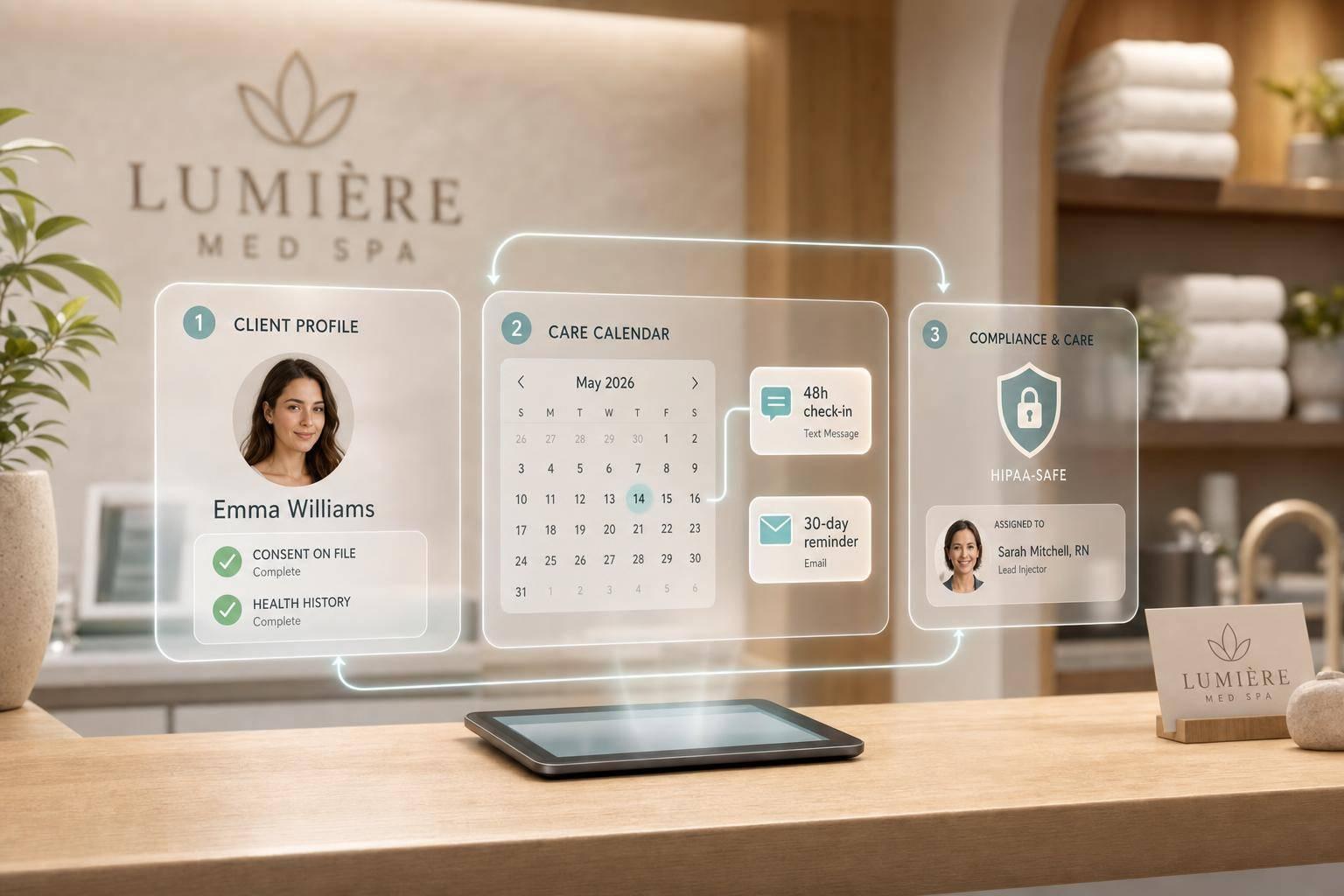
An integrated platform like Prospyr can simplify this process. Designed specifically for aesthetics and wellness clinics, Prospyr is HIPAA-compliant and centralizes campaign tracking. It captures leads from influencer-specific landing pages, website forms, and social DMs into one system, ensuring no prospect is overlooked. Leads can be tagged by campaign or influencer, making it easy to generate reports on booked consultations, show-up rates, and revenue.
With features like integrated scheduling and digital intake forms, Prospyr allows prospects to book appointments immediately after engaging with influencer content. It also segments contact lists for future campaigns and provides analytics to identify which treatments and influencers deliver the highest lifetime value. This data helps clinics make smarter decisions about future investments.
"We've seen a 50% increase in revenue and a 40% rise in appointments booked since switching away from using several different point solutions to running our practice on Prospyr." - Dr. Daniel Lee, Founder, New Life Cosmetic Surgery
Conclusion
Influencer marketing has become a powerful tool for driving growth in aesthetics and wellness clinics across the United States. When executed with clear strategy and measurable goals, these campaigns can build trust and boost revenue by seamlessly connecting campaign design, content creation, and integration strategies.
The most effective campaigns share a few key traits: authentic patient stories, high-quality before-and-after visuals, strong calls to action, and time-sensitive offers. These elements address the concerns and questions potential patients often have, while making it easy for them to move from curiosity to booking an appointment.
To maximize results, clinics should integrate influencer content into their broader marketing efforts. Repurposing successful posts across platforms like websites, email campaigns, paid ads, and even in-clinic materials ensures that the content’s impact is felt at every step of the patient journey. This strategy turns a single influencer post into a long-term marketing asset, continuing to generate interest and bookings well after the initial campaign.
Technology plays a critical role in turning online engagement into real-world results. Platforms like Prospyr streamline workflows by centralizing lead tracking, allowing clinics to follow every patient interaction - from their first click to repeat visits.
"Prospyr has helped us launch SOM Aesthetics like a rocketship. Their powerful platform and helpful support have enabled us to exceed our financial targets while delivering an unmatched experience for our patients. Their constant innovation and clear commitment to the success of our practice make them awesome to work with." - Dr. Saami Khalifian, Founder and CEO, SOM Aesthetics
Clinics that succeed with influencer marketing treat it as a disciplined, data-driven strategy. They set clear goals, partner with the right influencers, create engaging content, ensure compliance, and use insights to refine their approach over time. By centralizing lead tracking with tools like Prospyr, clinics can turn the buzz generated by influencers into sustainable, measurable growth.
FAQs
What steps can aesthetics clinics take to comply with FTC guidelines when working with influencers?
To stay aligned with FTC guidelines, aesthetics clinics need to focus on honesty and straightforward communication when working with influencers. This means ensuring influencers clearly disclose their partnership with the clinic. Simple and visible hashtags like #Ad or #Sponsored are essential, and these disclosures should be easy for audiences to spot and understand.
Clinics should also guide influencers on presenting their services truthfully, steering clear of any overstated or misleading claims. Keeping an eye on influencer content to ensure compliance and maintaining thorough records of agreements and communications can help safeguard your clinic from any regulatory issues.
How can aesthetics clinics effectively measure the success of influencer marketing campaigns?
To gauge how well your influencer marketing campaigns are performing for your aesthetics clinic, focus on key performance indicators (KPIs) that reflect your specific goals. Metrics such as engagement rates, follower growth, website traffic, and conversions are essential for understanding the campaign’s effectiveness. On top of that, keep an eye on patient inquiries and bookings that can be directly linked to the campaign.
Leverage tools like CRM systems and analytics platforms to simplify tracking and gain valuable insights into your campaign’s performance. For instance, platforms like Prospyr offer features to manage leads, monitor conversions, and analyze marketing efforts, helping you make informed, data-backed decisions to refine future campaigns.
What’s the best way for clinics to decide between macro, micro, and nano influencers for their marketing campaigns?
When deciding between macro, micro, and nano influencers, clinics need to consider their target audience, campaign goals, and budget. Each type of influencer brings something different to the table.
- Macro influencers have large followings, making them a solid choice for quickly boosting brand awareness and reaching a broad audience.
- Micro and nano influencers, with their smaller, more niche followings, often excel at building trust and fostering engagement. This makes them perfect for highly targeted and authentic campaigns.
If you're aiming for widespread visibility, macro influencers can help you cast a wide net. On the other hand, micro and nano influencers are typically more affordable and can create a more personal connection with their audience. Finding the right mix between these options can ensure your marketing efforts hit the mark.