Zoning vs. Building Codes: What Clinics Need to Know
Understanding zoning laws and building codes is crucial for clinics to ensure compliance, avoid penalties, and establish a successful practice.
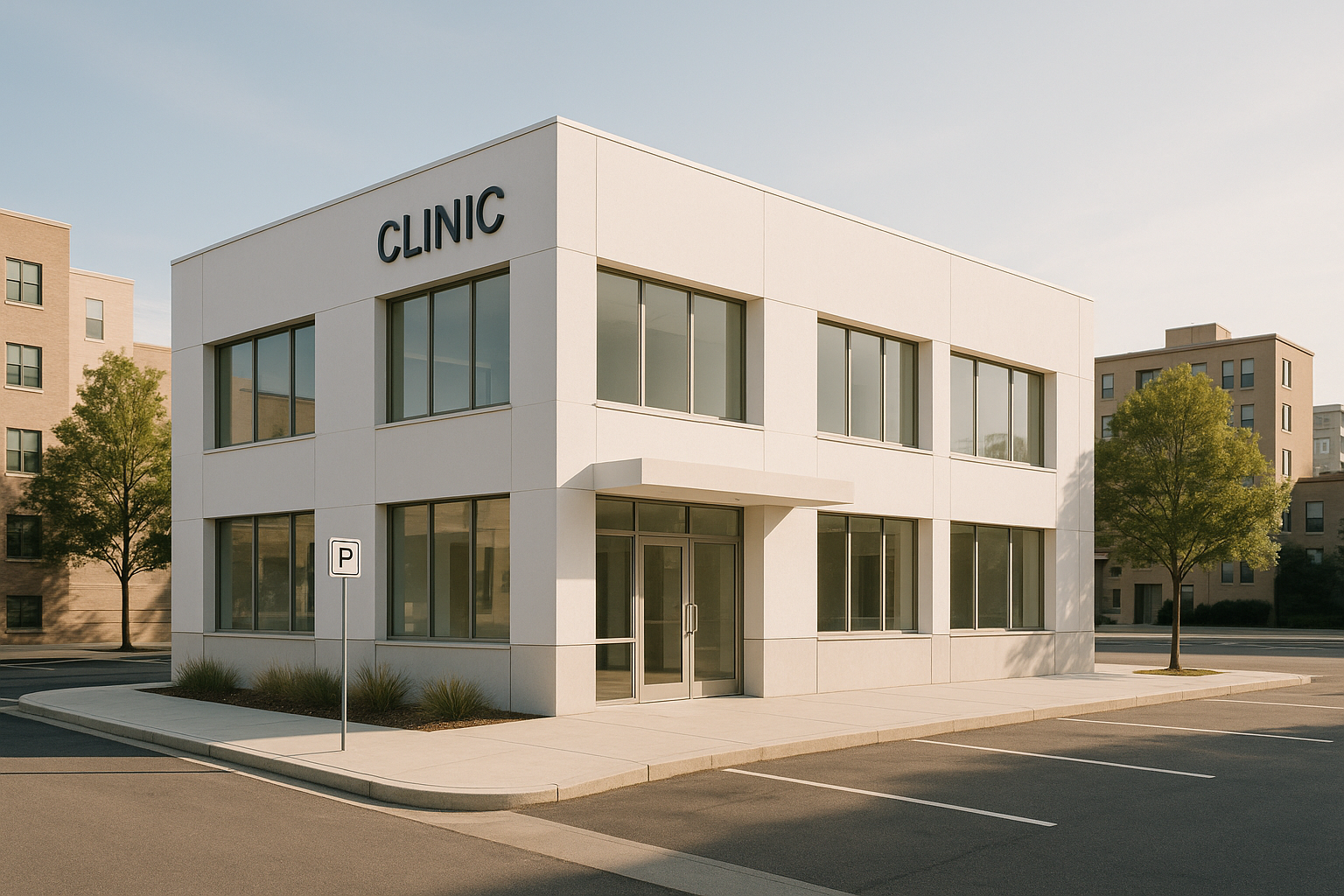

When opening a clinic, understanding zoning laws and building codes is essential. These regulations determine where you can operate and how your clinic must be constructed. Here's a quick breakdown:
- Zoning laws: Define where clinics can be located and regulate activities like parking, hours of operation, and neighborhood impact.
- Building codes: Focus on construction and safety standards, covering fire safety, ADA compliance, ventilation, and more.
Ignoring these rules can lead to delays, fines, or even forced closures. Always confirm zoning approval before signing a lease and ensure your building meets all code requirements. Tools like Prospyr can simplify compliance by managing permits and deadlines.
| Aspect | Zoning Laws | Building Codes |
|---|---|---|
| Focus | Location, land use, community impact | Safety, construction standards |
| Enforced by | Local planning departments | Building inspectors |
| Examples of violations | Operating in restricted zones | Non-compliant fire exits |
Plan early, consult local authorities, and use compliance tools to avoid setbacks. Both zoning and building codes are critical to your clinic's success.
What Are Zoning Laws
Zoning laws are local rules that divide municipalities into specific zones - such as residential, commercial, or industrial - each with its own set of guidelines for what can be built and how it can be used. Think of them as a framework for organizing land use to ensure communities develop in an orderly way. These laws help address issues like traffic flow, public safety, and noise control. For aesthetic and wellness clinics, zoning laws play a crucial role in determining whether a particular location is legally suitable for such facilities.
How Zoning Laws Work
Every property is assigned a classification under zoning laws, which dictates what activities are allowed. For example, properties zoned for commercial or medical use typically permit clinics, while residential zones usually do not. Local planning departments oversee these regulations by reviewing applications, issuing permits, and ensuring compliance. Zoning codes are often structured from stricter categories - like single-family residential areas - to more flexible ones, such as industrial zones.
But zoning laws go beyond simply determining what businesses can operate where. They also regulate details like lot size, building height, setbacks (the distance between a building and property lines), parking requirements, landscaping, and signage. These rules help create well-organized districts that balance functionality and aesthetics[5].
Zoning Requirements That Affect Clinics
Aesthetic and wellness clinics face several zoning-related challenges that can influence their location and costs:
- Proper Zoning Classification: Clinics must confirm that their intended location is zoned for medical or commercial use. Some zones only allow clinics under specific conditions, such as in mixed-use areas where residential and business activities coexist. In rare cases, clinics may operate in residential zones, but only under strict guidelines.
- Parking and Setbacks: Zoning laws often mandate a minimum number of parking spaces based on the clinic's size and anticipated patient traffic. Similarly, setbacks require buildings to maintain a certain distance from property lines, which can affect the layout and street visibility of the clinic.
- Traffic and Community Impact: Larger clinics or those in high-traffic areas may need to conduct traffic impact assessments to ensure their operations won’t disrupt the surrounding neighborhood.
- Operational Restrictions: Zoning laws may also impose limits on hours of operation or noise levels, which could affect when clinics can serve patients or the type of equipment they can use.
Sometimes, zoning regulations fail to keep pace with modern medical practices, leading to gray areas. For instance, outpatient surgical centers might not clearly fit into existing zoning categories, leaving room for interpretation or additional hurdles.
How to Check Local Zoning Rules
Before committing to a new location, it’s essential to understand the local zoning rules. Start by reviewing the zoning codes, which are often available through city or county clerk offices or on municipal websites. Reaching out to the local planning or zoning department is another critical step - they can confirm what uses are allowed for a specific property and guide you through obtaining variances or special permits if needed.
If the property isn’t zoned for medical or aesthetic use, there are still options. Clinics can apply for rezoning, request a variance or special use permit, or look for alternative properties that already meet the zoning requirements. Since zoning laws differ widely between municipalities, location-specific research is crucial.
Additionally, technology can simplify the process. Platforms like Prospyr (https://prospyrmed.com) offer tools to centralize documentation, track regulatory deadlines, and manage permits and approvals. Up next, we’ll dive into building codes and their role in shaping clinic design and safety.
What Are Building Codes
Building codes establish the minimum standards for designing, building, and maintaining structures, ensuring they are safe, healthy, and accessible for everyone inside. When it comes to clinics, these codes play a critical role in preventing risks like fires, structural failures, or unsafe conditions, protecting patients, staff, and visitors alike.
These codes cover a wide range of requirements, from the strength of walls to the width of doorways, ensuring clinics are prepared for emergencies and accessible to all individuals. Beyond safety, compliance with building codes is essential for legal operation and securing insurance coverage.
How Building Codes Work
Building codes act as mandatory rules that must be followed during the planning, construction, and renovation of clinic facilities. Local building departments oversee this process by reviewing plans, issuing permits, and conducting inspections at various stages to ensure compliance. This isn’t a one-and-done process - inspectors visit multiple times to confirm that each phase of construction meets the required standards.
The process typically begins when you submit architectural plans to your local building department. Officials evaluate these plans to ensure they meet current safety, accessibility, and structural guidelines. Once approved, you’ll receive the necessary permits to start construction. Failure to comply with these codes can lead to fines, delays, or even the closure of your clinic. Following the approval process is a critical step in ensuring your clinic operates without legal or safety issues.
Building Code Requirements for Clinics
Clinics must adhere to specific standards for fire safety, accessibility under the Americans with Disabilities Act (ADA), plumbing, electrical systems, ventilation, and air quality.
- Fire safety: This includes sprinkler systems, clearly marked fire exits, smoke alarms, and emergency lighting. The Centers for Disease Control and Prevention (CDC) reports that approximately 2,500 hospital fires occur annually in the U.S., emphasizing the importance of these strict regulations.
- ADA accessibility: Clinics must provide accessible entrances with ramps, doorways wide enough for wheelchairs (at least 32 inches), restrooms equipped with grab bars, and exam rooms that accommodate patients with disabilities.
- Plumbing and electrical systems: Plumbing codes ensure the clinic has a proper water supply, drainage, and sanitary fixtures that meet health standards. Electrical codes require safe wiring, sufficient power for medical equipment, backup power systems, and proper grounding to prevent hazards.
- Ventilation and air quality: These standards are particularly important for clinics performing procedures that generate fumes or require sterile environments. Codes specify air exchange rates, filtration systems, and exhaust setups to maintain healthy indoor air.
In California, clinics must comply with OSHPD 3 standards under Health and Safety Code Section 1200. These include features like fire-rated corridors, accessible restrooms, and emergency lighting systems, ensuring clinics meet both safety and accessibility requirements.
State and Local Code Differences
Building codes can vary widely between states and even cities, creating challenges for clinic owners. While many states adopt general standards like the International Building Code (IBC), local jurisdictions often introduce additional rules to address regional risks. For example, California enforces stricter seismic safety regulations for healthcare facilities due to earthquake risks, while tornado-prone states focus on wind resistance and storm shelters.
California’s Office of Statewide Health Planning and Development (OSHPD) is a prime example of specialized oversight for healthcare facilities. OSHPD employs architects, engineers, and fire safety officers who review and inspect projects specifically for health facilities. Their process is more rigorous than what’s required for most commercial buildings, involving continuous inspections throughout construction.
These state-level differences can significantly affect project timelines and budgets. For example, clinics in California must meet stringent seismic and fire safety standards, which often lead to longer timelines and higher costs. Local amendments can add further complexity. In Bakersfield, California, a clinic serving more than six people had to secure a conditional use permit and adhere to additional fire safety and accessibility requirements before opening in 2023. Early collaboration with local building and fire departments helped the clinic avoid costly delays and retrofits.
Looking ahead, the 2025 California Building Standards Code will be published on July 1, 2025, and take effect on January 1, 2026. These updates will reflect new safety and accessibility guidelines for healthcare facilities.
To navigate these varying requirements, it’s essential to contact your local building department early in the planning phase. This will help you understand the specific codes and permits needed for your location. What works in one area may not meet the standards in another, even within the same state. Early review of local amendments can save both time and money during construction.
Reading about the problem? See how Prospyr solves it in one platform.
Book a DemoMain Differences Between Zoning and Building Codes
When setting up a clinic, it's crucial to understand the differences between zoning laws and building codes. While both are essential for legal operation, they govern entirely different aspects of your clinic's establishment and ongoing compliance. Knowing how they work can save time, money, and frustration.
What Each Type of Law Covers
Zoning laws deal primarily with land use and location. These regulations determine where your clinic can operate, what medical services you can provide, and how your business interacts with the surrounding community. They cover aspects like parking availability, building size, signage rules, and operational hours. Essentially, zoning laws decide if your clinic is a good fit for the neighborhood.
Building codes, on the other hand, focus on safety and construction standards. They ensure your clinic’s physical structure meets specific health, safety, and accessibility requirements. These codes regulate everything from the width of doorways to fire safety systems like sprinklers and emergency lighting. Their primary goal is to ensure the building is safe and functional for both staff and patients [11].
Different authorities enforce these laws. Zoning laws are typically handled by planning or zoning departments, while building codes fall under the jurisdiction of building inspectors. Each has its own approval process, so you'll need to navigate both systems separately.
| Aspect | Zoning Laws | Building Codes |
|---|---|---|
| Primary Focus | Land use, location, permitted activities | Construction, safety, accessibility |
| Enforced By | Planning/zoning departments | Building departments/inspectors |
| Key Concerns | Neighborhood impact, traffic, parking, signage | Fire safety, ADA compliance, plumbing, structure |
| Example Violation | Clinic in non-permitted zone | Non-ADA-compliant restroom |
| Approval Needed For | Site use, changes in use, signage | Construction, renovations, occupancy |
Real Examples for Clinics
The real-world impact of zoning and building codes becomes clear when looking at clinic operations. Take, for example, a Chicago wellness clinic. The owners wanted to open in a mixed-use district but found that zoning laws restricted certain medical services in the area. They had to apply for a special use permit and revise parking plans to address community concerns. Even after securing zoning approval, they still needed to upgrade the building to comply with ADA accessibility standards and fire safety codes before opening.
Outpatient surgery centers often face even more complex challenges. These facilities typically deal with zoning issues because of high patient turnover, which increases traffic and parking demands. In some cases, local authorities require special zoning approval. At the same time, these centers must comply with strict building codes for medical gas systems, infection control, and enhanced fire safety measures that exceed standard commercial requirements.
It’s also possible to meet building codes but still violate zoning laws. For instance, you might renovate a former retail space to meet ADA, fire safety, and structural standards. However, if the area isn’t zoned for medical use or if your clinic generates more traffic than allowed, you could face shutdown despite having a fully code-compliant building.
To avoid setbacks, address both zoning and building codes early in the planning process. Secure zoning approval before making significant building upgrades, though in many cases, these processes can and should run concurrently to avoid delays.
sbb-itb-02f5876
How to Stay Compliant
Navigating zoning laws and building codes doesn’t have to be overwhelming, but it does take careful planning. Building strong relationships with local authorities and using smart tools to track your compliance needs can make all the difference as you manage your clinic's operations.
Work with Local Authorities
The best way to avoid headaches later is to start early. Reach out to local zoning and building departments before finalizing your site and design plans. During these consultations, gather details about permitted healthcare uses, parking requirements, traffic impact assessments, setbacks, and any special permits or conditional approvals you might need. Most zoning ordinances are available on your city or county clerk's website, which is a great place to begin your research.
Consider conducting a feasibility study, even if it costs between $5,000 and $15,000. This upfront investment can save you from expensive delays or redesigns later. A good study will assess how zoning laws impact your plans, including traffic patterns, environmental concerns, and community feedback. It should also determine whether the building meets healthcare-specific requirements like proper ventilation, fire safety, medical gas systems, and accessibility standards.
Legal experts who specialize in healthcare regulations can be invaluable. They can help you navigate complex rules, represent your clinic at zoning hearings, and secure necessary permits or variances. If your clinic offers specialized services, such as addiction treatment or medical aesthetics, having experienced legal counsel is even more critical.
To build community support, engage local stakeholders early. Host public meetings to share your vision and address concerns. Highlight the benefits your facility will bring, such as improved healthcare access, job creation, and essential medical services, while also addressing potential issues like traffic or noise. Keep in mind that neighborhood opposition is common. However, for legal challenges to succeed, opponents must demonstrate a specific legal interest.
Once you’ve established strong partnerships locally, the next step is to use technology to keep compliance on track.
Use Technology for Compliance Tracking
Modern tools can simplify compliance by centralizing documentation, automating reminders, and generating audit-ready reports. These platforms help you stay organized and ensure you're meeting all regulatory requirements.
For clinics in aesthetics or wellness, practice management platforms like Prospyr offer built-in tools to manage compliance records and deadlines. These systems can streamline operations, making it easier to stay on top of licensing, inspections, and other regulatory needs.
Pair these tools with solid internal processes. Assign a compliance officer, maintain a calendar with key deadlines, and set up a centralized document repository. Conduct quarterly audits and schedule regular reviews with your legal and consulting teams. This proactive approach ensures compliance becomes an ongoing part of your clinic’s operations.
Depending on the services you provide, additional approvals may be necessary. These might include state health department licensing, environmental agency permissions (if your site impacts wetlands or endangered species), or Department of Transportation clearance for traffic concerns. Some states also require approval from the Office of Health Care Access. Work closely with your legal and consulting teams early to identify all required permits, understand their timelines, and budget for them appropriately.
Common Mistakes and How to Avoid Them
Running a clinic comes with its fair share of challenges, especially when it comes to navigating compliance issues. Missteps in zoning and building code compliance can lead to delays, legal trouble, and unexpected expenses. Let’s break down some of the most common pitfalls and how you can steer clear of them.
Common Zoning Violations
One of the biggest mistakes clinic owners make is setting up shop in a zone that doesn’t permit medical practices. Just because a location is in a commercial area doesn’t mean it’s suitable for your type of business. Before signing a lease or purchasing a property, confirm that your specific medical practice is allowed in that zone.
Other zoning issues include:
- Insufficient parking: Municipal codes often require a minimum number of parking spaces. Falling short could mean permit denials or costly adjustments later.
- Improper signage: Violating local rules on sign size, placement, or lighting can lead to fines or removal orders.
- Building size and height restrictions: Even if the zoning allows medical use, your facility might exceed limits on building height or footprint, forcing expensive redesigns.
To avoid these headaches, work with your local planning department early in the process. Get written confirmation that your intended use is approved, and ask about any special requirements or upcoming zoning changes that could affect your plans. If you want to be extra cautious, consider hiring a healthcare real estate attorney to review the zoning ordinances and flag any potential issues before you commit to a location.
Building Code Compliance Problems
Building code violations can be just as tricky, especially for clinics that have specific needs. Here are some common problem areas:
- ADA compliance: Issues like narrow doorways, non-compliant restrooms, or inadequate parking can lead to expensive retrofits and delays.
- Fire safety systems: Missing or inadequate sprinklers, alarms, or emergency exits can result in costly upgrades.
- Ventilation: Clinics often require specialized HVAC systems to meet building code standards.
- Electrical and plumbing: Healthcare facilities need dedicated electrical circuits for medical equipment and tailored plumbing solutions for treatment areas. Contractors unfamiliar with these requirements may create problems that lead to failed inspections and costly fixes.
To minimize these risks, hire licensed contractors with experience in healthcare construction. Ask for references from other medical facilities they’ve worked on and verify their knowledge of medical building codes during the bidding process. It’s also a good idea to schedule pre-construction meetings with local building and fire departments to clarify requirements and address potential issues upfront.
Regular internal audits during construction can help catch problems early, saving you time and money. Additionally, technology platforms like Prospyr make it easier to manage compliance by centralizing documentation, inspection schedules, and records, reducing the chances of overlooked requirements.
Keep in mind that state and local codes can vary significantly. Local codes are often stricter than state regulations, so thorough research and professional guidance are essential to avoid setbacks that could derail your project timeline and budget.
Conclusion: What Clinic Owners Need to Remember
Zoning laws determine where your clinic can operate and what activities are allowed, while building codes ensure construction is safe and up to standard. Both are non-negotiable - ignoring them can lead to denied permits, forced closures, or even legal issues. A good example is New York City's restrictions on ambulatory healthcare facilities in certain residential areas. These facilities are capped at 1,500 square feet unless a special permit is obtained, which can limit expansion opportunities.
To navigate these challenges, planning is key. Start with feasibility studies, consult local planning departments, and work with experts to ensure your clinic's location aligns with zoning and building requirements. Tools like Prospyr can simplify the process by centralizing documentation and keeping track of compliance deadlines, so you can focus on what matters most - your patients.
It’s also worth noting that regulations are not set in stone. Many municipalities are revising zoning laws to encourage healthcare facility growth, and there’s a trend toward repurposing vacant commercial spaces for clinics. Staying updated on these changes and maintaining open communication with local officials can put your clinic in a strong position to adapt and expand.
Think of compliance as more than just a box to check - it’s an investment in your clinic’s future. Meeting zoning and building code requirements doesn’t just protect your patients and staff; it also secures your clinic’s long-term success. By aligning your strategy with these regulatory insights, you can safeguard your operations and set the stage for future growth.
FAQs
What should clinic owners do to comply with zoning laws and building codes before opening a new location?
Before launching your clinic, it's crucial to ensure your chosen location meets zoning laws and building codes. Zoning laws dictate how a property can be used - whether for commercial or residential purposes - and may also cover specifics like parking availability and signage rules. Building codes focus on safety and construction standards, addressing things like electrical systems, accessibility, and fire safety measures.
To avoid any compliance issues, start by contacting your local zoning office to verify that the property is approved for medical or aesthetic use. Then, review the relevant building codes to ensure your clinic's operations and any planned renovations align with the required standards. Bringing in a licensed contractor or consulting a legal expert who understands these regulations can help you navigate the process smoothly. Taking these steps early on can save you from unnecessary costs and legal headaches later.
What should clinics do if their chosen location isn’t zoned for medical use?
If the location you’re eyeing for your clinic isn’t zoned for medical use, you might still have options. You can apply for a zoning variance or a special use permit through your local zoning authority. This usually means filling out an application, presenting detailed plans for your clinic, and attending a public hearing to explain how your practice would benefit the community.
To make the process easier and avoid potential pitfalls, consider working with a zoning attorney or a local expert. Getting zoning requirements sorted out early can help you avoid unnecessary delays, unexpected costs, and legal headaches later on.
What are some common building code issues clinics should watch for during construction or renovation?
When you're building or renovating a clinic, keeping an eye on common building code issues is crucial. Overlooking these can lead to costly delays or even fines. One major area to watch is accessibility violations - things like not meeting ADA (Americans with Disabilities Act) standards for ramps, door widths, or restroom facilities. These are non-negotiable for ensuring your clinic is accessible to everyone.
Another frequent issue is improper electrical installations. Whether it's not having enough outlets or using wiring that doesn’t meet code, these mistakes can compromise safety and lead to violations. Then there’s the matter of HVAC system problems. Poor ventilation or inadequate temperature control doesn’t just make your space uncomfortable - it can also mean you're out of compliance, especially in a medical setting where air quality is critical.
To avoid these headaches, work closely with licensed professionals and consult local authorities during the planning and construction stages. Taking these steps early on will help you create a safe and code-compliant environment for your patients and staff.