
Upselling in aesthetic and wellness clinics isn’t about pushing products - it’s about building trust and offering personalized care that encourages patients to return. Retaining patients is far more cost-effective than acquiring new ones, and a 5% increase in retention can boost profits by 25% to 95%. Here’s a quick summary of effective strategies:
- Loyalty Programs: Reward repeat visits with points, discounts, or complimentary services to encourage consistent bookings.
- Special Offers: Create package deals or limited-time promotions to highlight the importance of maintenance treatments.
- Personalized Recommendations: Use patient records to suggest treatments tailored to individual goals, making advice feel relevant and intentional.
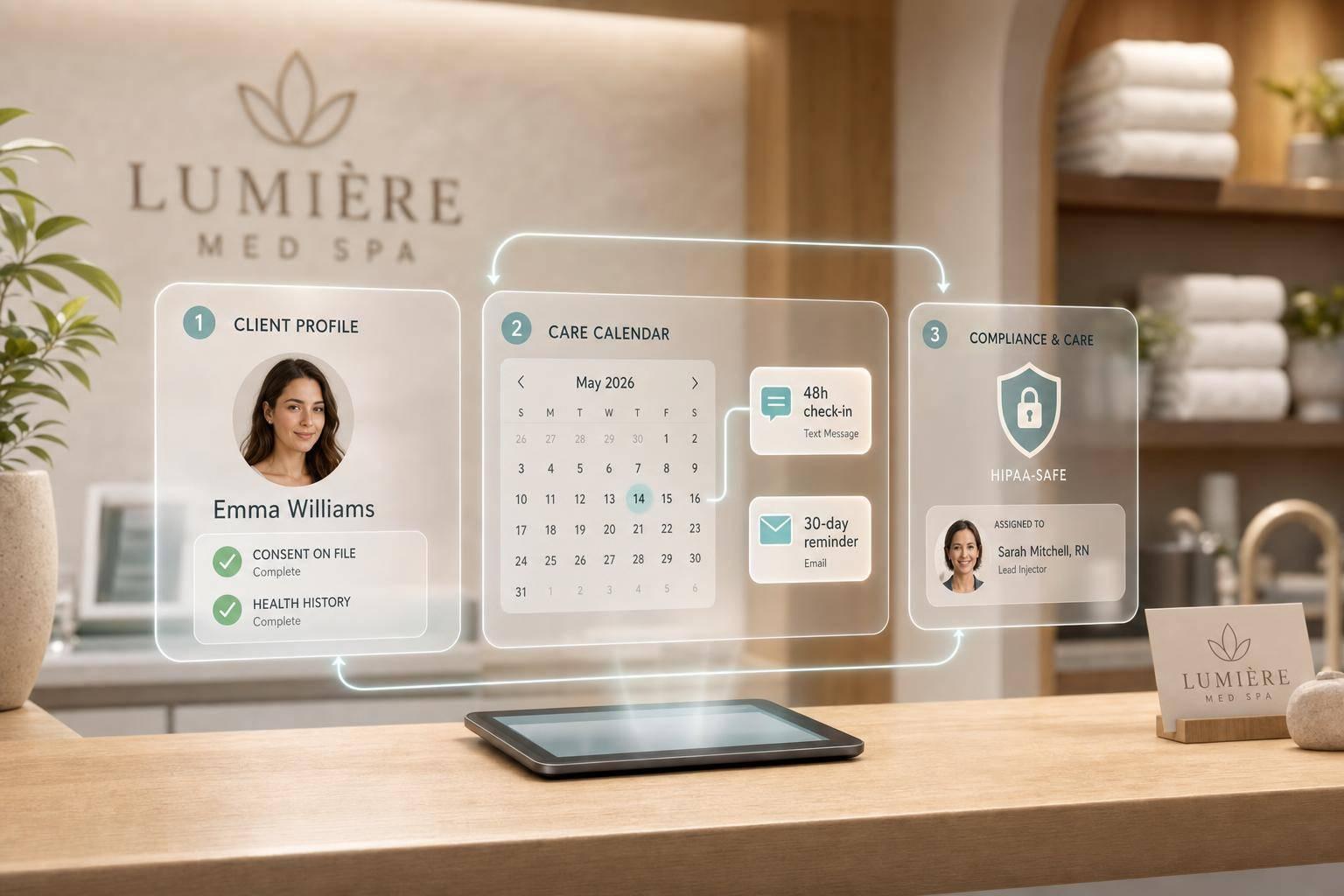
- Technology Integration: Tools like automated reminders and data analytics help streamline processes, identify upselling opportunities, and improve patient engagement.
- Membership Models: Offer tiered plans with perks like discounts or priority booking to create steady revenue and encourage regular visits.
These techniques focus on making patients feel valued, leading to stronger loyalty and increased revenue over time.
Why Patient Retention Is Difficult for Aesthetic Practices
Patient Retention Statistics and Cost Comparison for Aesthetic Clinics
Keeping patients coming back is no easy feat. Even if their first visit goes well, there's no guarantee they'll book again. Aesthetic practices, in particular, face unique challenges when it comes to retention. These difficulties often stem from communication breakdowns, inefficient processes, and a lack of proper patient education.
Common Reasons Patients Don't Return
One of the biggest hurdles is poor follow-up communication. If clinics fail to check in after treatments or send reminders for maintenance sessions, patients may feel forgotten. Natalie Burg, Digital Writer at CareCredit, emphasizes:
Communication is the most significant factor in strong cosmetic care provider relationships with patients and clients.
Without these crucial touchpoints, patients might not realize they need additional sessions or simply forget to rebook.
Another major issue lies in booking and payment processes. Friction in these areas can drive patients away. Madilyn Moeller from the American Med Spa Association explains:
Any type of billing issue - whether it is ambiguity about charges, trouble making a payment or difficulty getting a receipt post-payment - can be a significant barrier to patient retention.
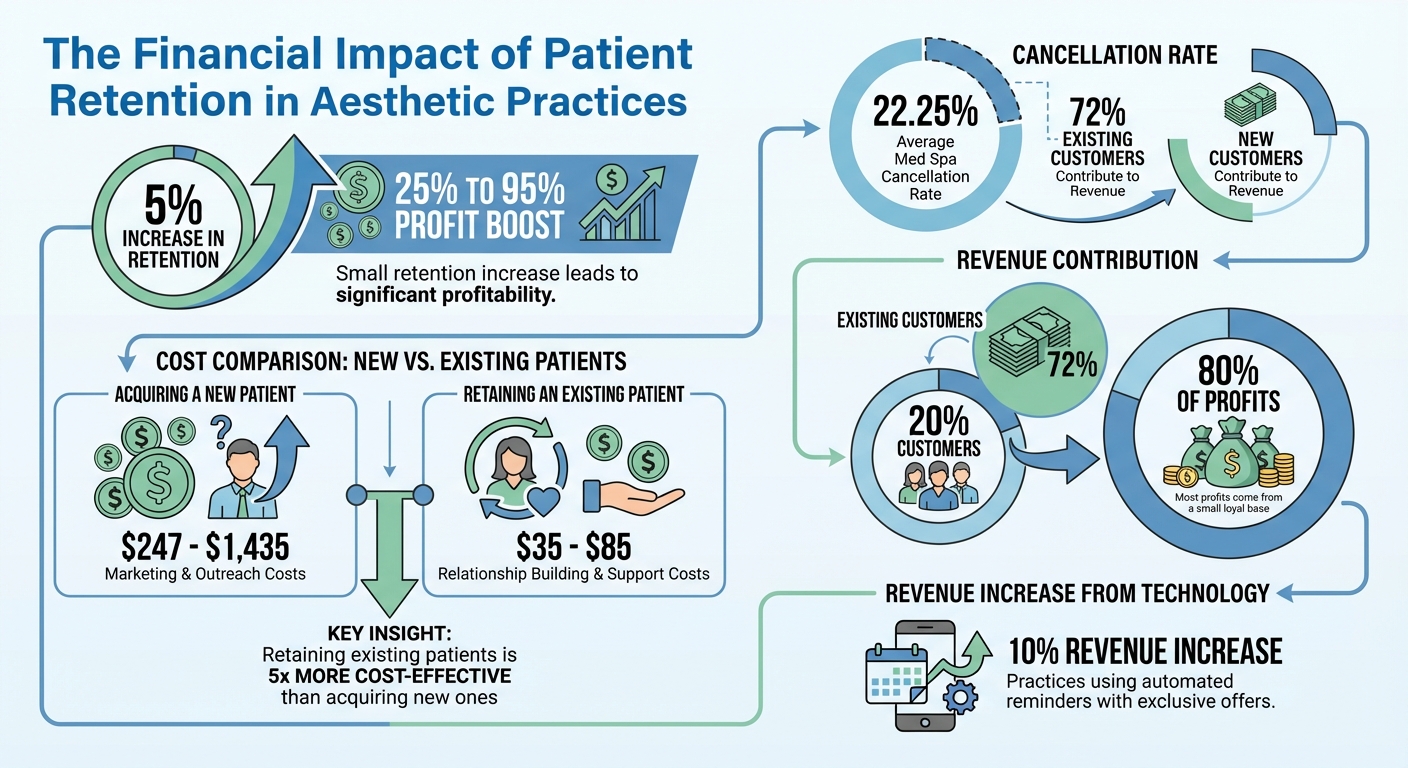
Confusing payment systems or complicated scheduling can frustrate patients, contributing to the average med spa cancellation rate of 22.25%. Many of these cancellations are avoidable with smoother processes.
Patients' limited awareness of available services also plays a role. Many practices rely on staff to casually mention additional treatments, often as an afterthought during checkout. This approach can come across as a sales pitch rather than genuine advice. Without clear education about how treatments work together or the importance of ongoing care, patients may assume one visit is enough. If they don't see the long-term value, they’re unlikely to return.
These operational gaps not only hurt patient loyalty but also take a toll on your practice's financial health.
How Poor Retention Impacts Revenue
Retention challenges have a direct and significant impact on your revenue. Losing patients is expensive - acquiring a new patient costs anywhere from $247 to $1,435, while retaining an existing one costs just $35 to $85 . In fact, keeping current patients is about five times more cost-effective than finding new ones.
The financial benefits of retention grow even more over time. Boosting patient retention by just 5% can increase profits by 25% to 95%. On the flip side, losing just a few recurring patients can result in thousands of dollars in lost revenue each year. Poor retention doesn't just affect your immediate income; it also stifles your practice's ability to grow and build a reliable, consistent revenue stream over the long term.
sbb-itb-02f5876
Effective Upselling Methods for Keeping Patients
Upselling takes on a whole new meaning when it shifts from being a sales tactic to becoming a form of personalized care. Sarah Eberle, a med spa marketing expert at RepeatMD, explains it best:
Rather than thinking of upselling and cross-selling as a sales conversation, think of it as your professional advice.
This approach changes the dynamic entirely. Instead of merely selling products or services, your team can focus on offering tailored solutions that genuinely address patient needs. Here’s how to put this into action effectively.
Loyalty Programs That Encourage Repeat Appointments
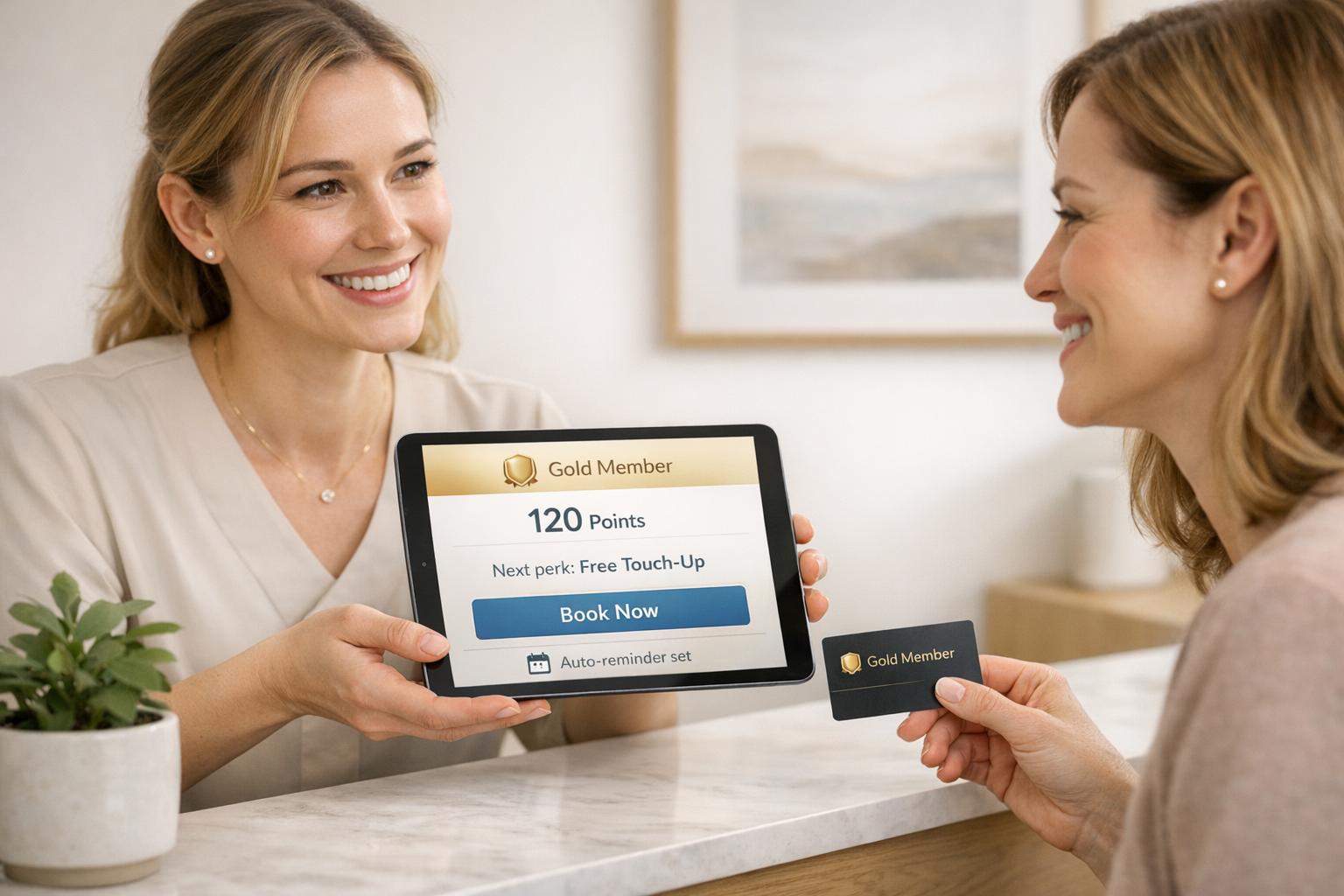
Loyalty programs succeed because they reward patients for behaviors you want to encourage - like returning for follow-up treatments. By offering points, discounts, or complimentary services, you create a clear reason for patients to keep coming back instead of exploring other options.
The most impactful loyalty programs directly connect rewards to treatment frequency. For instance, offering a free add-on service after every five visits gives patients a tangible goal to work toward. Some practices enhance this by introducing tiered systems, such as bronze, silver, and gold levels, where higher loyalty unlocks better perks. The trick is keeping the rewards simple to understand and enticing enough to influence booking decisions.
These programs also have a psychological benefit. When patients accumulate points or are close to earning a reward, they’re less likely to cancel or skip appointments. They’ve already invested in the relationship, and that emotional investment encourages consistency. Loyalty rewards naturally pair well with targeted offers, reinforcing the value of ongoing care.
Special Offers for Maintenance Treatments
Promotions and treatment packages are excellent tools for addressing a common challenge: patients often don’t realize that many aesthetic treatments require consistent maintenance. Bundling sessions together not only clarifies this need but also makes it more affordable.
Take microneedling packages as an example. Sarah Eberle explains how structured pricing can work:
Typically microneedling is $475 per session, but when you buy a package of 3, sessions come out to $430 each... It saves you $135.
| Treatment Type | Individual Price | Package Price (Per Session) | Total Savings (3-Pack) |
|---|---|---|---|
| Microneedling | $475 | $430 | $135 |
| Microneedling + Bonus | $475 | $450 | $75 + Free Dermaplane |
This approach combines clear savings with pre-paid accountability, making it easier for patients to commit to their treatment plans. Once they’ve invested, they’re more likely to follow through because they don’t want their money to go to waste.
Adding a time limit to these offers creates urgency. For example, a one-week promotion on filler touch-ups encourages patients to book right away rather than delaying indefinitely. Deadlines like these serve as natural decision points, prompting action. Coupled with personalized advice from patient records, these offers can significantly strengthen trust and commitment.
Treatment Recommendations Based on Patient Records
Patient records are a goldmine for creating personalized treatment plans. By reviewing intake forms, medical histories, and previous treatment notes, staff can make follow-up suggestions tailored to each patient’s specific concerns.
The best time to introduce these recommendations is during consultations, where you’re already discussing goals and building rapport. Instead of generic advice, you can say something like, “Since your main concern is skin texture, I’d recommend…”. This approach ties the suggestion to what the patient has already expressed as a priority.
Kyle Mills, a writer at Reviva, highlights why this method works:
When every recommendation comes from a patient's own treatment plan, every message feels intentional - and every sale feels earned.
Timing is everything. Modern management platforms can flag previously discussed services, making it easy to bring them up naturally. This ensures the recommendations feel relevant and thoughtful, not random.
Focusing on one or two targeted options also increases acceptance. Patients are more likely to say yes to a personalized suggestion than to a long list of choices. This is especially important when you consider that existing customers contribute 72% of a company’s revenue on average, compared to just 28% from new ones. Your current patients are your most valuable resource, and personalized care keeps them engaged and loyal.
How Technology Supports Your Upselling Strategy
Technology plays a key role in improving upselling efforts by automating tasks, analyzing data, and creating steady revenue streams. Practice management platforms simplify repetitive work, uncover upselling opportunities through data analysis, and establish systems that drive consistent income. These tools also integrate with loyalty programs and personalized treatments, making your upselling strategy more effective. Here's how technology can reshape your approach.
Automated Appointment Reminders
Automated email and SMS reminders do more than just reduce no-shows - they also open the door for upselling opportunities. For instance, a Botox appointment reminder can include an offer for a complimentary consultation on premium skincare packages. Similarly, patients overdue for treatments like laser hair removal or microneedling can receive follow-ups that encourage them to rebook at the perfect time.
Prospyr's HIPAA-compliant tools allow clinics to send personalized treatment reminders, making patients feel like the message was crafted specifically for them. This kind of personalization enhances engagement and can boost revenue. Practices that include exclusive offers in their automated reminders have reported a 10% increase in revenue.
Using Data to Find Upselling Opportunities
Data analytics can uncover patterns in bookings and treatment trends, helping you create targeted upsell campaigns. For example, if the data reveals that Botox patients rarely schedule microneedling, you could offer a discounted bundle to encourage them to try both.
Beyond reminders, data-driven insights help refine your overall engagement strategy. Prospyr's analytics tools track which services are most popular and which treatments are often paired together. This allows you to identify upsell opportunities with precision. For instance, you can segment patients based on their last visit or treatment history and run targeted "we miss you" campaigns for those who have been inactive for 18–24 months.
This approach mirrors the precision used in healthcare CRMs, where diagnosis and visit data are leveraged to maximize retention. Research indicates that 80% of profits come from just 20% of existing customers. Instead of guessing who might be interested in a new service, you can rely on solid behavioral data to guide your decisions.
Membership Programs for Consistent Revenue
Membership models turn one-off transactions into reliable, recurring income. Prospyr's membership management tools allow you to create tiered programs - like bronze, silver, and gold - each offering increasing perks such as priority booking, discounts on additional services, or complimentary consultations. Patients can pay monthly or annually, ensuring steady cash flow while enjoying ongoing benefits.
These programs work particularly well for treatments requiring regularity, like laser hair removal or facials. A patient enrolled in a monthly skincare membership is more likely to stay engaged than someone who books sporadically. Membership tiers also provide natural upselling opportunities; for example, a patient on a basic plan might upgrade to a premium tier after experiencing the added benefits.
Prospyr’s integrated CRM tracks membership activity, making it easy to reward loyal patients with discounts or early access to new treatments. This gamified approach - where patients earn rewards for their loyalty - deepens their connection to your practice. It also encourages them to explore additional services, strengthening long-term relationships and improving patient retention.
Conclusion
Upselling isn’t just about increasing revenue - it’s about building trust and fostering lasting relationships with patients. Strategies like loyalty programs, exclusive maintenance offers, and personalized treatment plans enhance the patient experience by showing genuine care and understanding. When patients feel valued, they’re more likely to return and explore additional services.
In fact, practices that implement thoughtful upselling techniques experience a notable 10% increase in revenue. This highlights how focusing on retention, rather than constantly seeking new patients, can be a smarter and more profitable approach.
Technology plays a major role in making these efforts seamless. Tools like Prospyr’s platform simplify the process by automating personalized reminders, using data analytics to identify upselling opportunities, and managing memberships to create steady revenue streams. Every interaction feels tailored, strengthening the connection with patients.
For example, launching a tiered membership program or sending targeted “we miss you” messages to patients who haven’t visited in a while can make a big difference. Consistency is key - small, thoughtful actions can lead to significant growth over time.
FAQs
How do I upsell without sounding salesy?
To upsell effectively, center your approach on personalized, collaborative care. During consultations, work with patients to co-create treatment plans that align with their specific goals. This approach fosters trust and makes your recommendations feel intentional rather than sales-driven.
Another key strategy is to time upsell opportunities around major life events, such as weddings or milestone birthdays. These moments naturally align with patients’ desires for self-improvement, making your suggestions feel more supportive than transactional.
Above all, focus on the patient’s needs to ensure the experience feels seamless and genuinely helpful.
Which patients should I target for upsells first?
Focusing on patients who are already highly engaged can make a big difference in your practice. These are the loyal clients who visit regularly, have a track record of spending, and respond positively to personalized offers. By prioritizing this group, you can boost revenue and build stronger relationships.
Consider strategies like loyalty programs, which reward repeat visits, or personalized packages designed to meet their specific needs. Another option is offering membership plans that provide ongoing value and encourage long-term commitment. Tailoring these approaches to your most engaged patients ensures they feel appreciated while also enhancing their experience.
What should I automate to improve retention fast?
To improve patient retention efficiently, focus on automating follow-up communications and tailoring engagement. Key strategies include sending appointment reminders, conducting post-treatment check-ins, and providing rebooking prompts. These efforts can greatly enhance re-engagement rates. By automating personalized messages that reflect patient preferences and treatment history, you build trust and loyalty, making retention efforts smoother while promoting long-term relationships.