
Influencer marketing is reshaping how aesthetic clinics attract clients. By partnering with social media influencers, clinics can showcase treatments like dermal fillers or laser hair removal in a relatable, real-world way. Here's why this strategy works:
- 92% of consumers trust influencer recommendations over traditional ads.
- Clinics earn an average of $6.50 for every $1 spent on influencer campaigns.
- Influencers generate 300% more views and 1,200% more engagement than celebrity endorsements.
The key is finding influencers whose followers align with your ideal patient profile. Micro-influencers (5,000–50,000 followers) are especially effective for local clinics, offering high engagement at a lower cost. Success depends on clear goals, choosing the right platforms (like Instagram or TikTok), and tracking metrics like booked appointments and revenue. Compliance with FTC regulations is also essential to maintain trust and avoid penalties.
Finding the Right Influencers for Your Clinic

Influencer Tier Comparison: Follower Count, Engagement Rates, and Costs for Aesthetic Clinics
When choosing influencers to represent your clinic, focus on those whose followers align closely with your ideal patient profile. It's not just about follower count - it’s about finding creators whose audience matches your target demographic. For aesthetic services, women aged 30–65 are often the primary audience. Seek influencers who specialize in topics like beauty, skincare, wellness, or self-care to ensure their content resonates with potential patients.
Location is key. For most clinics, partnering with local influencers - those within a 60-mile radius - makes the most sense. Their followers are more likely to be nearby and, therefore, potential patients. A high-profile influencer based in Los Angeles won’t do much for a clinic in Austin. Instead, focus on influencers who actively engage with your local community to strengthen your brand’s connection to the area.
Nano, Micro, and Macro Influencers Explained
Not all influencers operate on the same scale, and bigger doesn’t always mean better. Influencers are typically grouped into tiers based on their follower count, and each tier offers distinct advantages for aesthetic clinics.
Nano-influencers (1,000–10,000 followers) have small but highly engaged audiences. These creators often see engagement rates between 5% and 8%, as their followers view them as trusted peers. For a local clinic, a nano-influencer who’s passionate about skincare can drive consultations effectively. They typically charge $200–$500 per post or may accept complimentary treatments in exchange for content.
Micro-influencers (10,000–100,000 followers) balance reach with authenticity. With engagement rates averaging around 3.8%, they’re often experts in niches like beauty or wellness. Their credibility and polished content make them ideal for promoting new treatments or expanding awareness slightly beyond your immediate area. Expect to pay $500–$5,000 per post.
Macro-influencers (100,000–1,000,000 followers) offer extensive reach but tend to have lower engagement rates, around 1.2%. Costs for these influencers range from $5,000 to over $40,000 per post. While they’re great for large-scale awareness campaigns, many clinics find that smaller influencers build stronger connections with potential patients.
"A nano-influencer with 8,000 real, engaged followers beats a micro-influencer with 100,000 bots. Real followers = real sales." – InfluenceFlow Guide
| Influencer Tier | Follower Count | Engagement Rate | Cost Per Post | Best For |
|---|---|---|---|---|
| Nano | 1,000 – 10,000 | 5–8%+ | $200–$500 | Local clinics, hyper-targeted campaigns |
| Micro | 10,000 – 100,000 | ~3.8% | $500–$5,000 | Niche expertise, balanced reach |
| Macro | 100,000 – 1,000,000 | ~1.2% | $5,000–$40,000+ | Broad awareness, major launches |
How to Evaluate Potential Influencers
Once you’ve narrowed down your list of influencers, it’s time to dig deeper into their metrics and content quality. Start by reviewing their engagement rate, which measures how actively their followers interact with their posts through likes, comments, and shares. With the average Instagram engagement rate sitting at 1.9%, aim for influencers who exceed 2%.
Next, ensure their tone and style align with your clinic’s brand. Look through their previous posts, particularly those related to beauty or skincare, to confirm they’re a good fit. Tools like SocialBlade or HypeAuditor can help you verify their follower authenticity and spot any suspicious activity, like sudden spikes in followers. Requesting a rate card can also provide insights into their audience demographics and past campaign results.
Finally, check their reputation. A quick online search can reveal any controversies that might negatively impact your clinic.
Creating Win-Win Partnerships
Once you’ve identified influencers with authentic engagement and a strong brand fit, focus on building partnerships that benefit both sides. The best influencer relationships are collaborative, not purely transactional. For influencers with 20,000–50,000 followers, consider starting with “gifting” - offering complimentary treatments in exchange for honest, authentic content. This allows them to share a genuine testimonial while highlighting your clinic’s results.
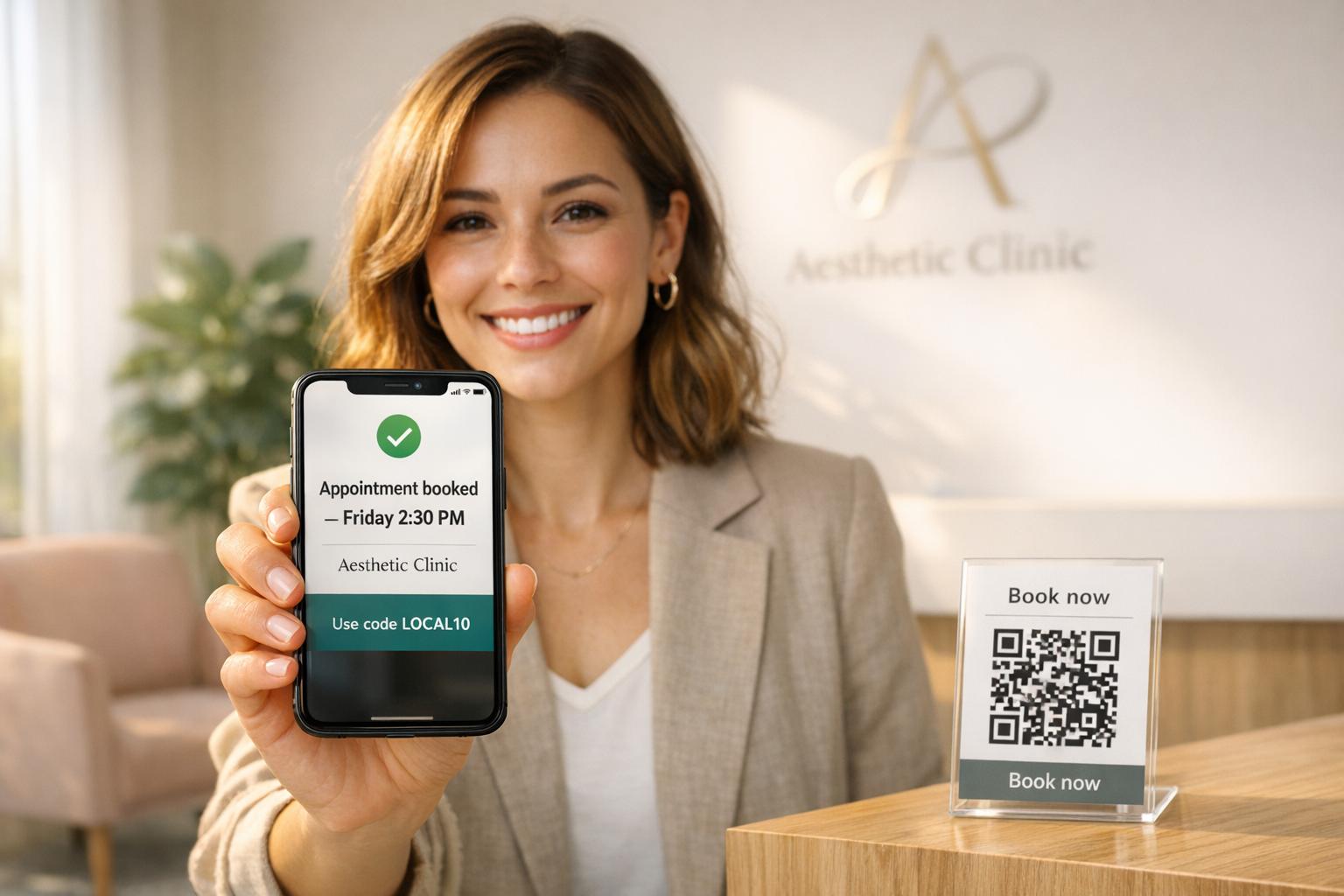
Structure these partnerships to showcase the full patient journey, not just a single post. Encourage influencers to document everything from their initial consultation to their treatment results. This storytelling approach builds trust and gives potential patients a clear idea of what to expect. To measure success, provide influencers with unique promo codes or trackable links to monitor how many bookings their campaigns generate.
"Authenticity and a genuine connection between the influencer and your product or service are the key to the success of any influencer marketing campaign." – Natalie Szymiczek, Copywriter
Lastly, ensure all sponsored content complies with advertising regulations by including clear disclosures like #ad or #sponsored. Include these requirements in your contracts, along with details on deliverables, timelines, and patient privacy considerations, to ensure a smooth and effective partnership.
sbb-itb-02f5876
Running Your Influencer Marketing Campaign
After choosing the right influencers, it’s time to bring your campaign to life with a well-thought-out plan. Success hinges on setting clear goals, tailoring strategies to each platform, and staying compliant with advertising regulations. These details are critical - they directly influence your clinic’s bookings and reputation.
Creating Your Campaign Plan
Start by defining your campaign’s purpose. Are you aiming to boost bookings, increase awareness, or promote a special offer? Each goal demands specific tactics and tracking methods. For example, you can measure bookings using unique promo codes and assess awareness through engagement metrics and analytics.
Next, provide clear instructions to your influencers. Outline exactly what you expect - whether it’s Instagram Reels, Stories, or posts - and specify what each piece of content should include. Set realistic timelines, such as giving influencers two weeks to experience a treatment and another week to post content. This ensures they have enough time to create authentic, thoughtful posts. These detailed guidelines build on the influencer selection criteria discussed earlier.
Compensation should also be clearly defined. Consider offering complimentary treatments for nano-influencers (1,000–10,000 followers), flat fees ranging from $100 to $500 per post for micro-influencers (10,000–50,000 followers), or commission-based models where they earn a percentage of each booking. Document all details - deliverables, timelines, compensation, disclosure requirements, and patient privacy considerations.
"Nano- and micro-influencers usually drive the highest ROI for local clinics because their followers are close enough to book." – ClinicGrower
To streamline the process, provide influencers with a compliance one-pager. This guide should cover brand aesthetics, required disclosures (like #ad), and any key points about maintaining medical accuracy. It simplifies approvals and ensures posts meet your standards.
Selecting the Best Social Media Platforms
Choosing the right platform is key to amplifying your campaign’s message. Each platform serves a unique purpose for aesthetic clinics:
- Instagram: The go-to platform for aesthetic clinics, Instagram acts as a “visual consultation” space where potential clients explore your work, values, and expertise. Over 83% of millennials use Instagram to research treatments and providers. Focus on high-quality before-and-after photos, engaging Reels, and behind-the-scenes Stories to build trust and drive conversions.
- TikTok: Perfect for creating awareness and educating your audience. TikTok’s algorithm prioritizes engaging content over follower count, making it ideal for short, educational videos. Practitioners can use it to explain procedures, bust myths, or answer FAQs. Stick to one topic per video and post consistently - daily if possible.
- Facebook: While less prominent for influencer campaigns, Facebook remains effective for reaching older audiences like Gen X and Boomers. It’s a great platform for sharing long-form updates and amplifying influencer content through paid ads.
| Platform | Primary Audience | Best Content Types | Strategic Role |
|---|---|---|---|
| Millennials (25–44) | Before-and-afters, Reels, Stories | Trust building & conversion | |
| TikTok | Gen Z & Millennials | Educational videos, myth-busting | High-reach awareness |
| Gen X & Boomers | Long-form updates, community news | Reaching older demographics |
Encourage influencers to document their entire journey - from booking to post-procedure results. This storytelling approach fosters trust and gives potential clients a realistic view of the process. With consent, repurpose this content as user-generated content (UGC) on your own social channels to strengthen social proof.
Following Advertising Rules and Ethics
Compliance isn’t optional - it’s a must. Influencer marketing in the U.S. is regulated by Section 5 of the FTC Act and the FTC's endorsement guidelines. Violations, like undisclosed sponsorships, can lead to fines of up to $43,792 per infraction.
Every sponsored post must include a clear disclosure of the relationship between your clinic and the influencer. Whether it’s free treatments, payments, or commissions, the disclosure must be easy to spot and understand. It can’t be buried in hashtags or hidden in a bio.
"The FTC actively enforces its guidance that influencers must disclose their connections to advertisers clearly and conspicuously in their posts." – Reuters
Here’s how disclosures should look across platforms:
| Platform | Best Disclosure Method | Placement Requirement |
|---|---|---|
| Branded Content Tag + #ad | Top of post and first line of caption | |
| TikTok | Branded Content Toggle + Text Overlay | Within first 3 seconds of video |
| Reels/Shorts | Visual Text Overlay (#Ad) | Visible without clicking "more" |
For video content, require disclosures like "#Ad" to appear within the first three seconds so they’re visible even if captions are truncated or sound is off.
Additionally, any claims about health benefits or results must be truthful and backed by scientific evidence. Avoid exaggerated language like “instant fat loss” unless supported by robust clinical data. Starting in 2026, influencers must also disclose whether an image or video has been altered or AI-generated - this is especially relevant for before-and-after content.
Include compliance clauses in your contracts to ensure influencers follow FTC guidelines, grant your clinic approval rights, and include indemnification clauses. Monitor posts in real-time and request updates within 24 hours if disclosures are missing. Keep detailed records - screenshots, contracts, and payment logs - for at least three years to safeguard against audits. These steps protect your clinic’s reputation and reinforce trust in your influencer partnerships.
Tracking and Improving Campaign Results
Once your campaign is live, it’s time to dig into the data. Focus on identifying which influencers are driving actual bookings - not just likes or comments. Keep an eye on three key metric categories: awareness (reach and impressions), engagement (saves, shares, and comment sentiment), and conversions (booked appointments and revenue).
For a solid understanding of your campaign’s financial performance, track metrics like ROAS (Return on Ad Spend) and CPA (Cost per Acquisition). For example, if you spend $2,000 on a campaign and it brings in $11,560 in bookings, your ROAS is 5.78:1 - right in line with industry averages. Similarly, if the same $2,000 campaign results in 20 consultations, your CPA is $100.
Important Metrics to Track
Each metric tells a specific story about your campaign's success. Awareness metrics, like reach (unique viewers) and impressions (total views), reveal how many potential patients are seeing your clinic. You can also track follower growth on your social channels to measure overall visibility.
Engagement metrics, such as likes, comments, shares, and saves, give you a sense of audience interest. Campaigns with engagement rates above 2% tend to produce 30% higher conversion rates compared to those with rates below 1%.
But conversions are where the real impact lies. Monitor website sessions driven by influencer links, new patient leads, booked appointments, and email or text subscriptions. Use UTM parameters to track traffic from specific influencers in Google Analytics. Additionally, assign unique coupon codes (e.g., “BELLA20” or “MIKE15”) to each influencer. This is especially helpful on platforms like Instagram or TikTok, where users often don’t click direct links.
Don’t forget to assess audience quality. Metrics like average time on site and bounce rate can help you determine if the traffic you're getting is genuinely interested.
| Metric Category | Key KPIs to Track | Purpose for Aesthetic Clinics |
|---|---|---|
| Awareness | Reach, Impressions, Video Views | Gauge how many potential patients see your clinic. |
| Engagement | Saves, Shares, Comments, Sentiment | Measure interest and trust in treatments. |
| Conversion | Booked Appointments, Lead Sign-ups | Assess the direct impact on your schedule. |
| Financial | ROAS, CPA, Earned Media Value (EMV) | Evaluate the cost-effectiveness of partnerships. |
These metrics serve as the foundation for making smarter, data-driven decisions.
Using Analytics Tools for Better Decisions
While native analytics tools provide basic insights, they often fall short when it comes to connecting data to booked appointments. Platforms like Prospyr's Direct Marketing module bridge this gap by tracking leads from specific influencers all the way to booked appointments. This makes it easier to calculate ROAS accurately. Prospyr also offers a 2-way SMS feature that automatically follows up with leads, ensuring no potential patient is forgotten.
"You can't measure what you don't define." – Hypefy
To get a clearer picture of your campaign's impact, move beyond last-click attribution. While last-click models only credit the final touchpoint before a booking, multi-touch attribution gives credit to every step in the patient journey - whether it’s an influencer’s post, a retargeting ad, or a follow-up email.
Dedicated landing pages can also simplify tracking. Create pages for specific treatments promoted by influencers to see which audiences convert best. For retargeting, use pixel-based methods to re-engage users who interact with influencer content but don’t immediately book. On Instagram, switch to Meta’s Conversion API for more reliable tracking under strict privacy rules.
Analyzing Results and Adjusting Your Approach
With all your data in hand, it’s time to evaluate. Start by auditing your influencers for authenticity. Tools that detect fake engagement are essential, as approximately 15% of influencer accounts show signs of bot activity. Also, ensure the influencer’s audience is geographically relevant to your clinic. If a large portion of their engagement comes from regions you don’t serve, your ROI calculations could be off.
Compare performance across influencer tiers. Micro-influencers (10,000–100,000 followers) often achieve higher engagement rates (2–5%) and lower CPA, while macro-influencers (1 million+ followers) deliver broader reach but lower engagement rates (0.5–1.5%). Additionally, review which content formats perform best. For instance, Instagram Reels typically generate 35% more conversions than carousel posts, while long-form YouTube reviews can drive 2.5× higher conversion rates due to their depth and trust-building ability.
Identify your top-performing influencers - those who consistently deliver high ROAS or attract customers with higher lifetime value. Consider transitioning these influencers into long-term partnerships. For example, if one influencer achieves a 7:1 ROAS while another barely hits 1.5:1, it’s wise to reallocate your budget to the stronger performer. Don’t overlook micro-conversions like newsletter sign-ups or “contact us” form submissions, as these often signal future intent.
Adjust attribution windows to match your patient journey. For quick decisions like Botox, a 14-day window works well. For more considered purchases, like body contouring packages, extend it to 30–60 days. Finally, keep thorough records - screenshots, performance data, and payment logs - for at least three years. These records will help you identify trends and refine future campaigns.
Current Trends in Aesthetic Clinic Influencer Marketing
Metrics are always important, but the way clinics approach influencer marketing is shifting. With the global influencer marketing industry now valued at over $24 billion, aesthetic clinics are finding new ways to boost bookings while avoiding wasted ad spend.
AI Tools for Finding Influencers
AI is transforming how clinics identify and collaborate with influencers. In fact, 59% of marketers now use AI to simplify influencer campaigns. These tools allow clinics to search for influencers using simple commands and even predict which partnerships are likely to bring in more bookings by analyzing live campaign data.
One standout feature of AI in this space is its ability to detect influencer fraud. With brands losing $1.3 billion annually to fake engagement and bot-driven traffic, AI tools calculate Audience Quality Scores (AQS) to weed out fake followers and engagement pods. For reliable results, aim for influencers with an AQS of 70 or higher. Some platforms even automate tasks like follow-ups and price negotiations, saving time and effort.
"Scaling from 5 to 50 creators used to require a team of three. With Stormy AI's agentic outreach, it's now a one-person job." – Stormy AI
Despite these advancements, most marketers - 89% to be exact - still steer clear of virtual influencers or AI-generated clones. This highlights the ongoing preference for genuine voices and lived experiences in 2026. While AI can streamline the discovery and vetting process, building meaningful, human-centered partnerships remains key.
Building Long-Term Influencer Relationships
The days of one-off sponsored posts are fading. Long-term partnerships are proving far more effective. When influencers document their entire treatment journey - from their first consultation to the results months later - it creates a deeper sense of trust than a single post ever could.
These extended collaborations help maintain consistent messaging and build credibility. Micro-influencers, with followings between 10,000 and 100,000, are particularly effective. They not only generate 60% higher engagement rates than larger influencers, but they’re also more affordable, typically charging between $100 and $500 per post compared to $5,000–$10,000 for macro-influencers.
"Trust has relocated: Consumers trust creators more than they trust brands. A recommendation from someone they follow carries weight that a polished ad never could." – HeyProspekt
To strengthen these relationships, offer tiered incentives. For example, influencers who bring in more patient referrals could earn early access to new treatments or invitations to exclusive events. Always formalize agreements with contracts that define deliverables, timelines, and compensation, while ensuring compliance with FTC and HIPAA regulations.
Offering Special Benefits to Influencers
Flat payments are no longer enough to keep influencers engaged. Instead, clinics are focusing on creating unique, memorable experiences. Personalized treatment consultations or behind-the-scenes access to clinic operations can go a long way in building loyalty.
Some clinics are even turning their staff into ambassadors, sharing authentic glimpses of clinic culture on social media. Tools like Prospyr can help manage and schedule this type of content while tracking engagement.
Another approach is to create membership-style programs for influencers. These programs offer increasing perks based on performance. For instance, an influencer who drives 20 bookings in a quarter might unlock VIP treatments or receive exclusive product samples. This not only rewards high-performing influencers but also fosters a long-term partnership that aligns with your clinic’s goals.
Conclusion
Influencer marketing thrives on a long-term approach that builds trust over time. Did you know that 92% of consumers trust influencer recommendations more than branded content?. Clinics that see success in this space focus less on follower counts and more on authenticity. A great place to start? Partner with local micro-influencers who share your brand values and maintain engagement rates above 6%.
Trust is just the beginning. To truly validate your efforts, focus on measurable outcomes. Influencer marketing can yield impressive returns - on average, $6.50 for every $1 spent, with top campaigns generating over $20 per dollar. By tracking metrics like actual bookings and referral-code conversions, you can clearly see the impact. Platforms like Prospyr make it easier to attribute leads directly to your influencer campaigns, ensuring you can calculate ROI with confidence.
Setting clear goals is critical. Whether you're aiming to boost brand awareness or drive immediate bookings, your objectives will shape your influencer choices and how you measure success. Always formalize these partnerships with written contracts that specify deliverables, timelines, and compensation. Don’t forget to ensure FTC compliance with proper disclosures, like using #ad.
The most effective campaigns prioritize educational and authentic storytelling. When influencers share their complete treatment journey - from the initial consultation to the final results - they build credibility and inspire action. In fact, 82% of consumers are highly likely to follow advice from micro-influencers, especially when they see clear, positive outcomes backed by proof.
FAQs
How do I set a realistic budget for influencer marketing?
To create a practical influencer marketing budget, think about platform-specific costs, engagement rates, and influencer tiers. For local clinics, micro and nano influencers can be a smart choice. They typically charge between $50 and $1,000 per post or may even accept free treatments as payment, making them a budget-friendly option.
Start by defining your campaign goals - whether it’s increasing brand awareness or driving more bookings. Focus on influencers in your area who have strong engagement rates, as they are more likely to connect with your target audience. Finally, use ROI tracking tools to monitor performance and adjust your spending as needed. This approach helps you stay on track with your goals while maximizing your results.
What should an influencer contract include for an aesthetic clinic?
An influencer contract for an aesthetic clinic needs to spell out the scope of work in detail. This includes the type of content the influencer will create - like posts, stories, or videos - as well as the timing and frequency of those deliverables.
Beyond that, the agreement should cover compensation terms, clearly stating how and when the influencer will be paid. It should also address usage rights, clarifying how the clinic can use the influencer's content, and ensure compliance with FTC guidelines for sponsored content to avoid legal issues.
Other key elements to include are confidentiality clauses to safeguard sensitive information, cancellation policies to handle unexpected changes, and a dispute resolution process to manage conflicts effectively. These details help protect both parties and set the stage for a successful collaboration.
How can I track influencer posts to actual booked appointments?
To measure how influencer posts translate into booked appointments, leverage tools that tag new bookings specifically from influencer campaigns. Using unique tracking links or promo codes for each influencer makes it easier to pinpoint where your bookings are coming from. Pair these strategies with a practice management platform like Prospyr to simplify lead capture and appointment tracking. This approach ensures you can clearly evaluate the ROI of your influencer marketing efforts.